Ayahuasca: Understanding the Medicine with Respect and Clarity
I approach ayahuasca the same way I approach any powerful natural medicine: with respect, curiosity, and a deep commitment to understanding *why* it works, not just *that* it does. This is not a trendy wellness tool or a shortcut to insight. It’s a traditional plant medicine with a long lineage, complex biochemistry, and very real effects on the mind and body.
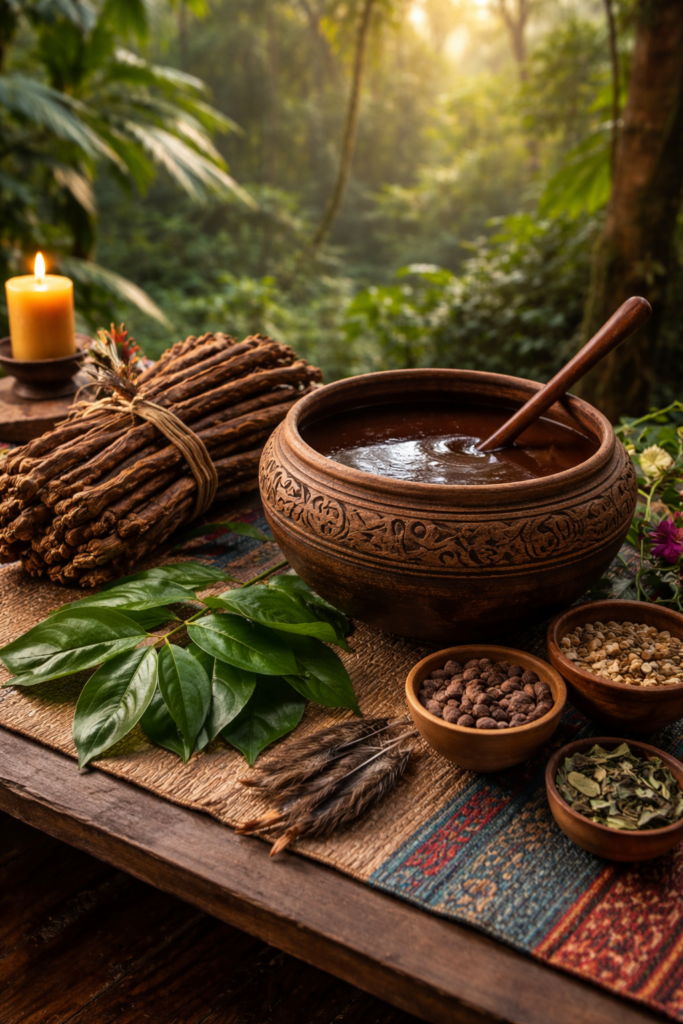
Ayahuasca comes from the Amazon basin, where Indigenous cultures have worked with it ceremonially for generations. At its core, it is a brew traditionally made from two primary plants: one that contains DMT and another that contains MAO inhibitors. Together, they allow compounds that are normally broken down in the digestive system to become active in the brain. That interaction is what creates the altered state people often describe as visionary or deeply introspective.
What matters most to me is not the mythology or the sensational stories, but the structure underneath it all—the way the plants interact with human physiology, the cultural frameworks that guide their use, and the practical considerations that determine whether an experience is grounding or destabilizing.
Why Ayahuasca Has Such Profound Effects
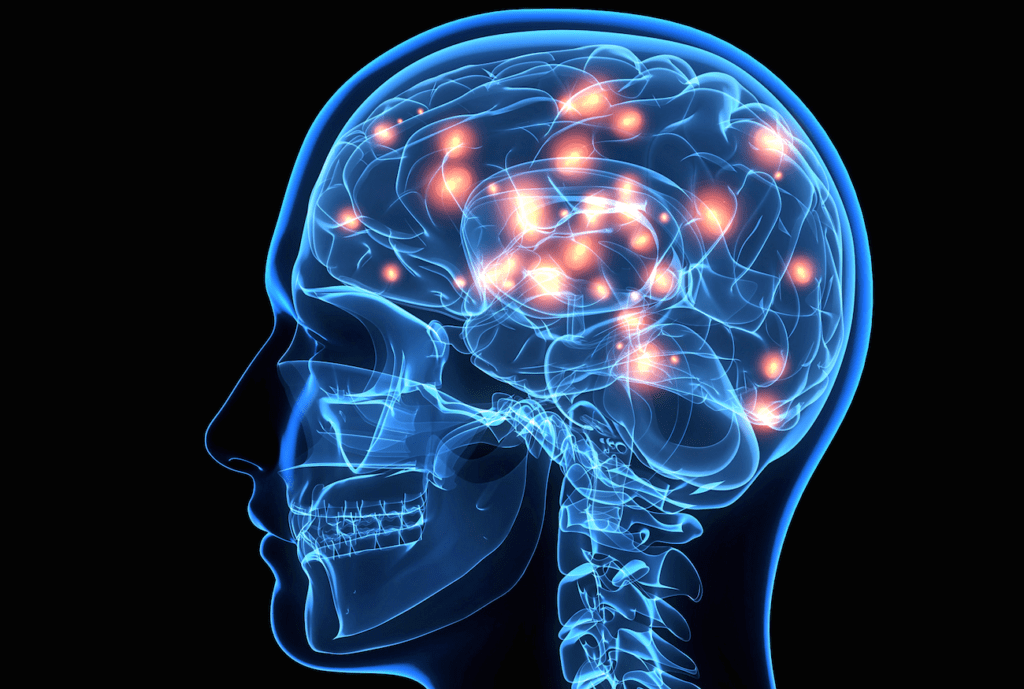
From a biological standpoint, ayahuasca influences serotonin receptors, particularly the 5-HT2A receptor, which is also affected by other classic psychedelics. This receptor plays a role in perception, mood regulation, and cognitive flexibility. When it’s activated in a strong and sustained way, the brain temporarily loosens rigid patterns of thought.
This is one reason people report emotional release, vivid imagery, or the ability to view personal experiences from a new perspective. The brain is quite literally operating with different constraints. Long-held narratives can soften. Suppressed emotions can surface. Sensory input can become more symbolic than literal.
There is also a strong somatic component. Many people experience physical sensations, nausea, or purging. From a traditional perspective, this is viewed as cleansing. From a physiological one, it reflects stimulation of the gut, the vagus nerve, and the autonomic nervous system. Either way, the body is not passive in this process—it is actively involved.
The Importance of Context and Intention
One thing I emphasize again and again is that ayahuasca does not operate in a vacuum. Set and setting matter profoundly. The mental state you bring in, the environment you’re in, and the guidance you receive all shape the outcome.
In traditional settings, ceremonies are structured with music, ritual, and clear boundaries. These elements aren’t decorative. They regulate the nervous system. Rhythm and chanting help anchor attention. Predictable ceremony structure reduces fear when intense sensations arise. This is one of the reasons people who approach ayahuasca casually or without support can have difficult experiences.
Intention also plays a role, but not in a wish-making sense. Intention functions like a cognitive lens. When you reflect clearly on *why* you’re engaging with the medicine—whether it’s for emotional insight, spiritual inquiry, or personal growth—you give the mind a reference point. That reference point helps organize what comes up.
Preparation: What Actually Makes a Difference
Preparation is often oversimplified, so I want to be precise. It’s not about perfection or restriction for its own sake. It’s about reducing unnecessary strain on the nervous system and liver, and creating mental clarity.
Common preparation practices include:
– Eating simply and avoiding heavy, processed foods
– Reducing or eliminating alcohol and other substances beforehand
– Avoiding certain medications that interact dangerously with MAO inhibitors
– Spending time journaling or reflecting on current emotional themes
The reason these steps matter is practical. The body processes ayahuasca through the liver. The nervous system is already being challenged. Removing extra variables lowers risk and increases the likelihood that insights are integrated rather than overwhelming.
Psychological Safety and Screening
This is a point I never gloss over. Ayahuasca is not appropriate for everyone. Individuals with a personal or family history of psychotic disorders, bipolar disorder, or severe dissociation face increased risk. Certain medications—especially antidepressants and stimulants—can interact dangerously.
Responsible facilitators screen carefully for these factors. If someone is unwilling to talk openly about mental health history or medication use, that is a red flag. Safety is not about fear; it’s about informed consent and realistic assessment.
Integration: Where the Real Work Happens
One of the biggest misconceptions is that ayahuasca *does the work for you*. In reality, the experience may reveal patterns, memories, or emotional truths, but integration is what turns insight into change.
Integration can look like:
– Talking through the experience with a trained therapist or integration coach
– Journaling about symbols, emotions, and realizations
– Making small, concrete changes aligned with what was learned
– Allowing time for emotional processing rather than rushing conclusions
Neurologically, the brain remains more plastic for a period after intense experiences. This is an opportunity, but it requires gentleness and patience. Trying to extract absolute meaning too quickly often backfires.
Tradition, Respect, and Cultural Responsibility
I believe strongly in acknowledging where ayahuasca comes from. Indigenous knowledge systems preserved this medicine long before Western science showed interest. Respect means more than appreciation—it means avoiding exploitation, honoring lineage, and being mindful of how commercialization impacts local communities and ecosystems.
Supporting ethical practitioners, understanding the cultural context, and resisting the urge to strip the medicine of its roots are all part of responsible engagement.
Legal and Ethical Realities
Ayahuasca exists in a complicated legal landscape. In many places, its use is restricted or allowed only under specific religious or ceremonial exemptions. Understanding local laws is not optional. Ethical use includes respecting these boundaries and not placing oneself or others at unnecessary risk.
A Grounded Perspective
I don’t see ayahuasca as a miracle or a menace. It is a tool—powerful, nuanced, and demanding of respect. For some, it opens doors to meaningful insight and emotional healing. For others, it may be inappropriate or destabilizing.
What matters most is discernment. Curiosity paired with caution. Openness paired with responsibility. When approached thoughtfully, ayahuasca can offer a profound look into the inner landscape. When approached carelessly, it can overwhelm.
I encourage anyone interested to slow down, learn deeply, and prioritize safety and integration over novelty. Real growth is rarely rushed, and the most valuable insights tend to unfold over time, not in a single night.